Notice the unnoticed
Breaking the silence on depression among older adults and building support systems for mental health in later life.
Breaking the silence on depression among older adults and building support systems for mental health in later life.
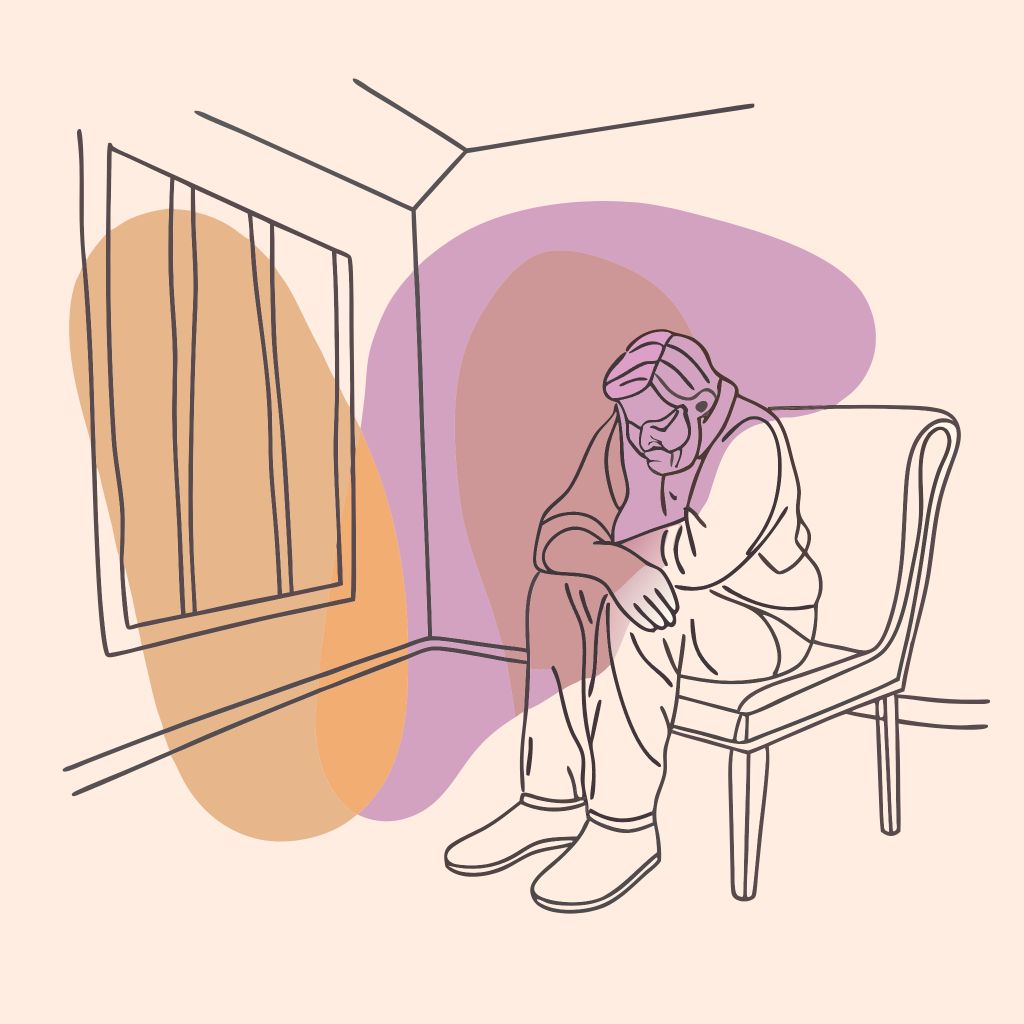
The project was born out of an urgent need to acknowledge and break the social silence surrounding one of the most overlooked mental health issues—depression among older adults. While public discourse increasingly addresses mental health, people in later life remain largely excluded from this conversation. Their psychological suffering often goes unnoticed, confused with the 'natural process of aging,' or dismissed through stereotypes suggesting that 'feeling low' is somehow normal in old age.
Its origins lie in long-standing observations by the DeployingFuture Foundation, which has carried out educational and activation initiatives for seniors in the Mazovia region. Staff members repeatedly observed alarming patterns—numerous signs of depression without diagnosis, social withdrawal, growing feelings of loneliness, and emotional exhaustion among older participants. At the same time, they noticed a significant knowledge gap among those surrounding older people—caregivers, volunteers, cultural workers—who lacked the tools to recognize symptoms of depression or to respond appropriately.
Research confirmed these insights: according to the PolSenior2 report, as many as one in three seniors in Poland experience mood disorders. Yet, depression in older age remains underdiagnosed and untreated, and its most severe symptoms—such as suicide—are tragically prevalent. In 2024, 1,342 seniors in Poland ended their lives—making this the only age group where the number of suicides exceeds the number of attempts.
The project was not conceived as a theoretical construct, but as a response to the lived reality of individuals who had never been asked how they truly felt. This crisis intensified during the COVID-19 pandemic, when many older people were cut off from social contact, which only worsened depressive symptoms. Notably, seniors rarely speak openly about their mental state—they often lack the vocabulary to articulate their feelings, mistrust professionals, and do not believe in the possibility of improvement. Instead, they express themselves indirectly: 'No one needs me anymore,' 'Everything hurts,' 'There's no reason to get up.' Without proper knowledge and sensitivity, these warning signs go unrecognized or misinterpreted.
The project had both an interventionist and culture-shaping character. It aimed not only to provide practical tools for support, but also to shift societal perceptions of depression in later life. One of its key assumptions was to move away from stigmatizing narratives and create a new language—one of empathy, understanding, and attentiveness—when speaking about the emotional suffering of older adults. The initiative sought to build a space where seniors would not only receive help but also feel that their emotions matter and their voices are heard.
Alongside the social diagnosis, the project team conducted qualitative research and in-depth conversations with seniors, revealing a shared experience of profound invisibility and abandonment. This was not anecdotal but systemic—resulting from a lack of geriatric specialists, psychologists trained to work with older adults, awareness campaigns, intervention protocols, and accessible services. Many care institutions and social service providers simply do not have the resources or knowledge to adequately support seniors experiencing emotional crises.
The project was also rooted in the need to raise awareness about 'masked depression'—a form of depression where physical symptoms (such as insomnia, chronic pain, appetite loss) overshadow emotional ones. Because of this, depression in seniors is often dismissed by general practitioners, who rarely refer patients to psychiatric consultations. Yet, early diagnosis and appropriate treatment could significantly improve quality of life and prevent tragedy.
The primary goal, therefore, was to increase the competencies of those surrounding older people—from families to caregivers to local communities—in recognizing symptoms of depression, communicating supportively, and responding to emotional crises. This meant not only education, but also the development of intervention resources: procedures, guides, conversation scenarios. The emphasis was placed on simplicity, accessibility, and real-world usefulness, so that the materials could be applied in everyday life, both at home and in institutional settings.
A great deal of attention was given to language and visual communication. The project team avoided medicalized or condescending tones, favoring empathy, respect, and a partnership-based approach. Seniors were not only recipients of the project, but also co-creators—their feedback and insights shaped both form and content. As a result, the tools created not only inform but also build connection, restore agency, and reinforce a sense of dignity and self-worth.
The project did not operate solely within the Polish context. It involved international collaboration with a Spanish partner (Universal Mobility SL), confirming that depression among seniors is a cross-border issue. In many European countries, older adults are similarly marginalized in the mental health system, with few resources specifically tailored to their needs. The partnership allowed for the exchange of experiences, analysis of best practices, and adaptation of successful solutions.
From the outset, the project was designed as a catalyst for broader change—not only in institutions but in the collective mindset. It sought to establish a new culture of care, in which old age is not seen as a time of resignation but as a stage of life deserving of emotional support, social inclusion, and a sense of purpose. The overarching belief guiding every action was that supporting the mental health of older adults can no longer be a matter of goodwill—it must become a shared social responsibility.
The project was structured around five main activities:
All three activities were implemented with equal involvement from both partner institutions: Fundacja DeployingFuture which coordinated the project, and the transnational partner from Spain, the company Universal Mobility SL.
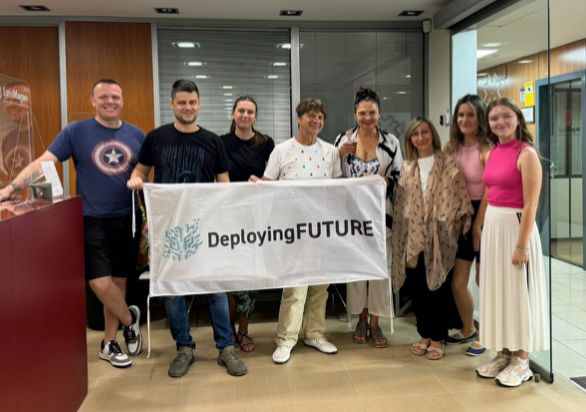
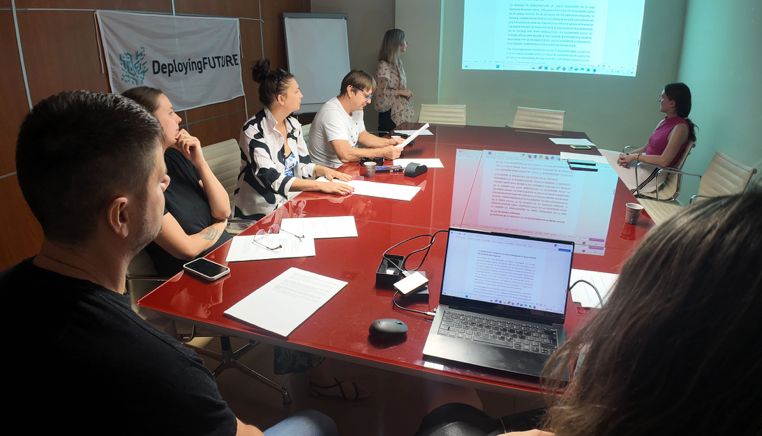
The first activity carried out as part of the project was the transnational mobility of educational and training staff, implemented in the form of job shadowing and co-creation of educational content. This activity served as a starting point for the development of prevention and resilience materials tailored to the needs of older people with experience of depression, as well as tools to support the work of professionals involved in the care, support and education of older people.
The aim of the activity was a multidimensional exchange of knowledge, experience and practices with partners from Spain and joint work on improving the quality of mental health support offered to seniors in formal and informal care systems. At the same time, the mobility had a research and conceptual function: trainers observed local solutions in the field of mental health prevention among older people, identified good practices and analysed the possibilities of adapting them to the Polish reality.
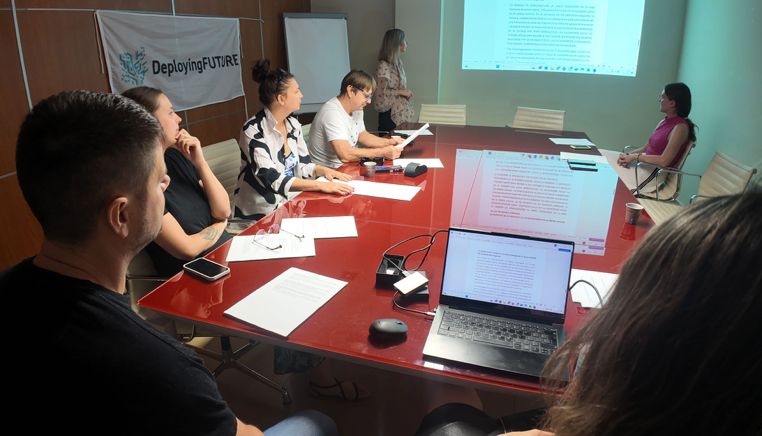
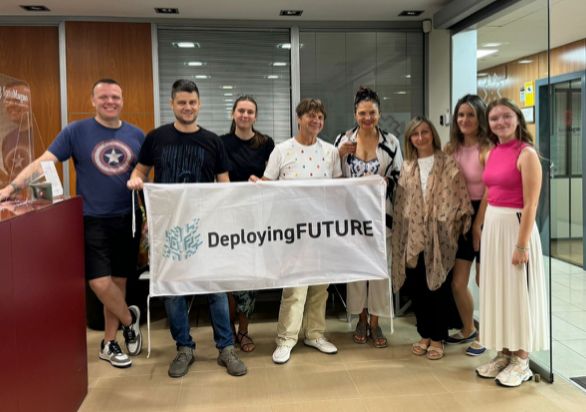
The mobility took place on 16-21 October 2024 in Alicante (Spain) and included a six-day intensive programme of observation, consultation, analysis and conceptual work. Ten trainers (five from each partner institution) representing various areas of specialisation took part in the activities: psychology, pedagogy, social work, adult education, occupational therapy and social animation.
The mobility programme was designed to provide participants with a multifaceted view of the problem of senior depression: from a systemic perspective (health and social care organisation), an institutional perspective (the daily functioning of support facilities) and an individual perspective (direct meetings with older people and their carers).
Daily activities included, among others:
Mobility was implemented in accordance with the principles of learning through observation, reflection and co-creation. Each day, participants documented their observations, shared their reflections and identified potential areas for transferring good practices to the Polish context. The key method was 'observational participation' – trainers not only observed the work of the institution, but also participated in the activities to a certain extent (e.g. in art therapy workshops or support groups for elderly people with symptoms of depression).
In addition, the 'critical incidents' method was used during the mobility – participants identified situations that aroused particular emotions, questions or doubts, and on this basis, reflection sessions were conducted, moderated by the team leader. Thanks to this, the mobility was not just a review of partner activities, but also a process of self-reflection and analysis of one's own attitudes, patterns of behaviour and beliefs.
The effects of mobility can be divided into three main categories:
The activity confirmed that the direct exchange of experiences with foreign partners brings value that cannot be replaced by theoretical cooperation alone. Observing practices 'live', talking to people working in other socio-cultural contexts and meeting seniors themselves in an international setting allowed participants to look at their daily work from a new perspective.
The mobility also showed the important role played by the organisational culture of working with older people – the Spanish approach, which is more based on relationships, closeness and personalisation, was a valuable inspiration for Polish trainers, especially in the context of working with socially withdrawn seniors.
It was recommended that this type of mobility become a permanent feature of the professional development system for staff working with older people, not only within European projects but also in national education and social policy.
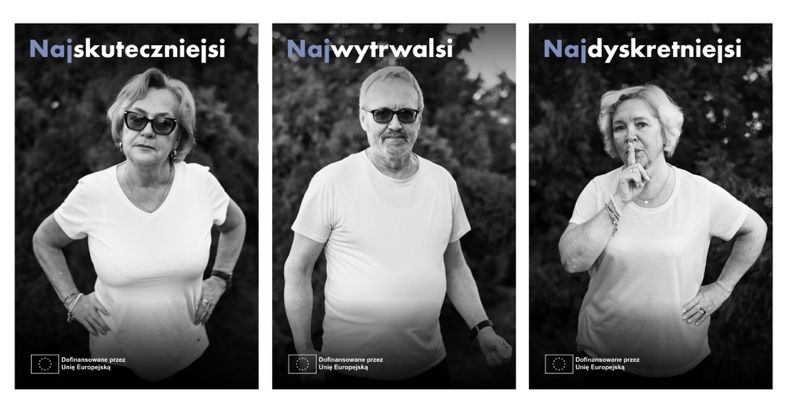
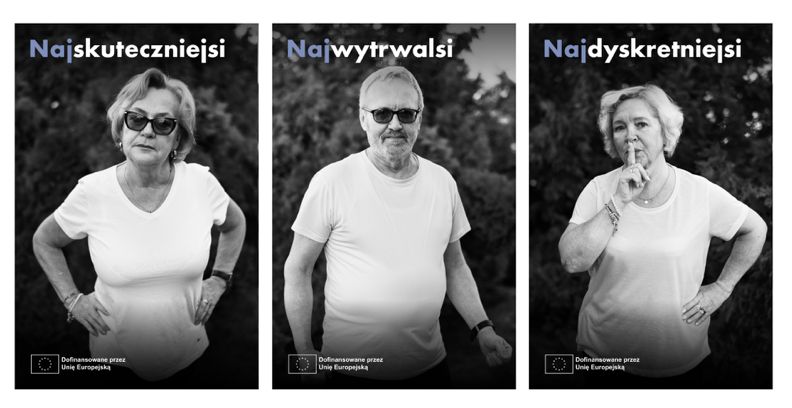
The second project activity was a social campaign under the slogan '3RazyNaj' (3 times the most). Its aim was to draw public attention to the dramatic scale of suicidal behaviour among older people, debunk myths and initiate a broad, empathetic conversation about depression in old age. The campaign was carried out in February 2025, immediately preceding the National Day of Depression Awareness (23 February).
The campaign was striking and moving, but at the same time based on facts – it was built around three main pillars defining the unique, often invisible specificity of suicidal behaviour among seniors: the most persistent, the most effective, the most discreet.
Statistical data on suicide in Poland clearly show that people over 60 are the age group with the highest mortality rate as a result of suicide attempts. In 2024, as many as 1,342 seniors took their own lives. What is more, this is the only group in which so-called 'successful' suicide attempts – effective, well-thought-out and carefully planned – predominate. Unlike younger people, whose decisions to take their own lives are more often impulsive, seniors act deliberately, often in silence and isolation, without informing those around them about their mental state.
This phenomenon still remains in the shadows of social awareness. Youth suicide is often discussed widely and dramatically. Senior suicide, on the other hand, is silent – literally and figuratively. Silence becomes an armed shield of loneliness and taboo that leads to death. The '3RazyNaj' campaign aimed to break this silence.
Each of the three components of the campaign was based on a different aspect of suicidal behaviour in older people, using authentic quotes that could have been said by people in crisis. The slogans were seemingly calm, even neutral, contrasting with their deep, dramatic meaning.
This refers to the exceptionally high effectiveness of suicide attempts among older people. Seniors are the only age group in which the number of suicide attempts is lower than the number of those ending in death. In 2024, as many as 1,342 seniors – people over 60 years of age – took their own lives. Suicidal behaviour in this group differs greatly from that observed in young people: while young people and adults often act on impulse (often after consuming alcohol), older people usually plan their suicide for a long time and, unfortunately, most often carry out their plan successfully. This aspect is one of the most alarming and at the same time least noticed features of depression in old age, showing that silence and withdrawal can be symptoms of a final decision.
The quote itself refers to the belief that one's life is 'complete', a sense of fulfilment which, combined with depression, leads to a loss of meaning in continuing to exist. This type of thinking is often dismissed as 'mature acceptance of death', when it may be a mask for a serious mental crisis.
This refers to one of the most dramatic and difficult to grasp dimensions of senior depression – the deeply rooted belief of older people that their presence in the lives of their loved ones is no longer needed. This is particularly characteristic of men in late adulthood who, after retirement, the loss of their wife, or a deterioration in their health, begin to see themselves as useless, unproductive, and invisible. In their eyes, their children are already adults, they have 'made it', they no longer need a father or grandfather, and his continued presence seems to have no meaning.
It is in this group – men aged 60+ – that the highest percentage of successful suicides is recorded. As many as 80% of suicidal incidents in this category concern them. Their decisions are usually carefully planned, made in silence, without warning, without dramatic gestures – in the belief that 'no one needs me anymore'. They do not inform anyone about their mental state, do not seek help, do not share their thoughts. They remain silent. And they patiently wait for the moment when they will disappear.
It is worth noting that many seniors – especially men – experience growing tension related to deteriorating health, loss of mobility, and limited social and economic roles. Their identity, built over decades on work, responsibility, and control over everyday life, begins to crumble.
This refers to an extremely disturbing and often invisible phenomenon among older people – so-called silent suicides. These are self-destructive actions that do not have a violent course or clear symptoms, which is why they are rarely identified as suicidal acts. Seniors do not resort to dramatic measures – instead, they slowly withdraw from life, reduce their presence, and limit their basic physiological needs.
Silent suicide can take the form of refusing to eat, gradually neglecting treatment for chronic diseases, irregular medication, and deliberately avoiding hydration. This is compounded by social isolation – seniors limit their contacts, withdraw into themselves, and stop communicating their needs. From the outside, this may look like weakness, exhaustion or the natural ageing process. However, for many older people, it is a slow, protracted decision to leave, made quietly, without drawing attention.
One of the main motivations for this behaviour is the feeling of being a burden – a strong inner conviction that continuing to live is a burden on loved ones, that their presence causes problems, that they require too much care and attention. Many seniors, especially those struggling with mobility limitations, dementia or depression, believe that their passing would be a 'relief' for their families. This belief may not be reflected in reality, but its psychological power is enormous – and leads to dramatic consequences.
The third activity of the project was crucial for its sustainability and systemic impact. It involved the design, development and preparation for implementation of educational and preventive materials intended for older people, their carers, educators, therapists and anyone who can influence the mental well-being of seniors.
As part of this activity, the publication you are holding in your hands was created. It is a study combining current knowledge about depression in late life with practical tools for strengthening mental resilience. The publication was prepared by an interdisciplinary team of psychologists, educators, adult trainers and mental health specialists, and is based on the conclusions of project activities (including so-called good project practices), primarily grassroots activities carried out with people in late life.
The publication was developed using a participatory model, which involved regular contact with representatives of the target group (senior citizens and their carers), as well as with a foreign partner and its senior listeners. During its work, the project team focused on a key challenge: how to talk about depression in a clear, empathetic and effective way, without stigmatising or causing anxiety. It was decided to move away from a textbook tone in favour of a formula that combines scientific knowledge, socially understandable language and elements of storytelling – presenting the stories of older people struggling with mental health crises.
The content of the publication addresses real needs identified in the senior community and responds to a systemic gap in mental health education for older people. Importantly, the publication has been designed as scalable material, i.e. it can be easily adapted by various institutions (cultural centres, libraries, senior clubs, day care centres) without the need to modify its content.
Below are three language versions of the script:
One of the main objectives of the project 'Notice the unnoticed – Faces of senior depression' was not only to develop materials on resilience and mental health in late adulthood, but also to test them in practice and disseminate them in local communities, with the participation of direct recipients – senior citizens attending partner institutions.
The aim of the activity was to implement selected content from the publication in the form of workshops developing the emotional, social and cognitive competences of seniors. In accordance with the provisions of the application, the workshops were held simultaneously in two countries – Poland and Spain – between March and June 2025.
In each country, the workshops were run by teams of trained trainers who had previously participated in transnational mobility, and the materials used during the classes were based on the publication resulting from the project. The participants were people over 60 years of age – seniors at risk (loneliness, depression, social exclusion). Each partner institution conducted workshop classes in groups of ten.
The workshop programme included eight thematic meetings of an educational and therapeutic nature, the content of which was closely tailored to the everyday realities of older people.
The following workshops were conducted:
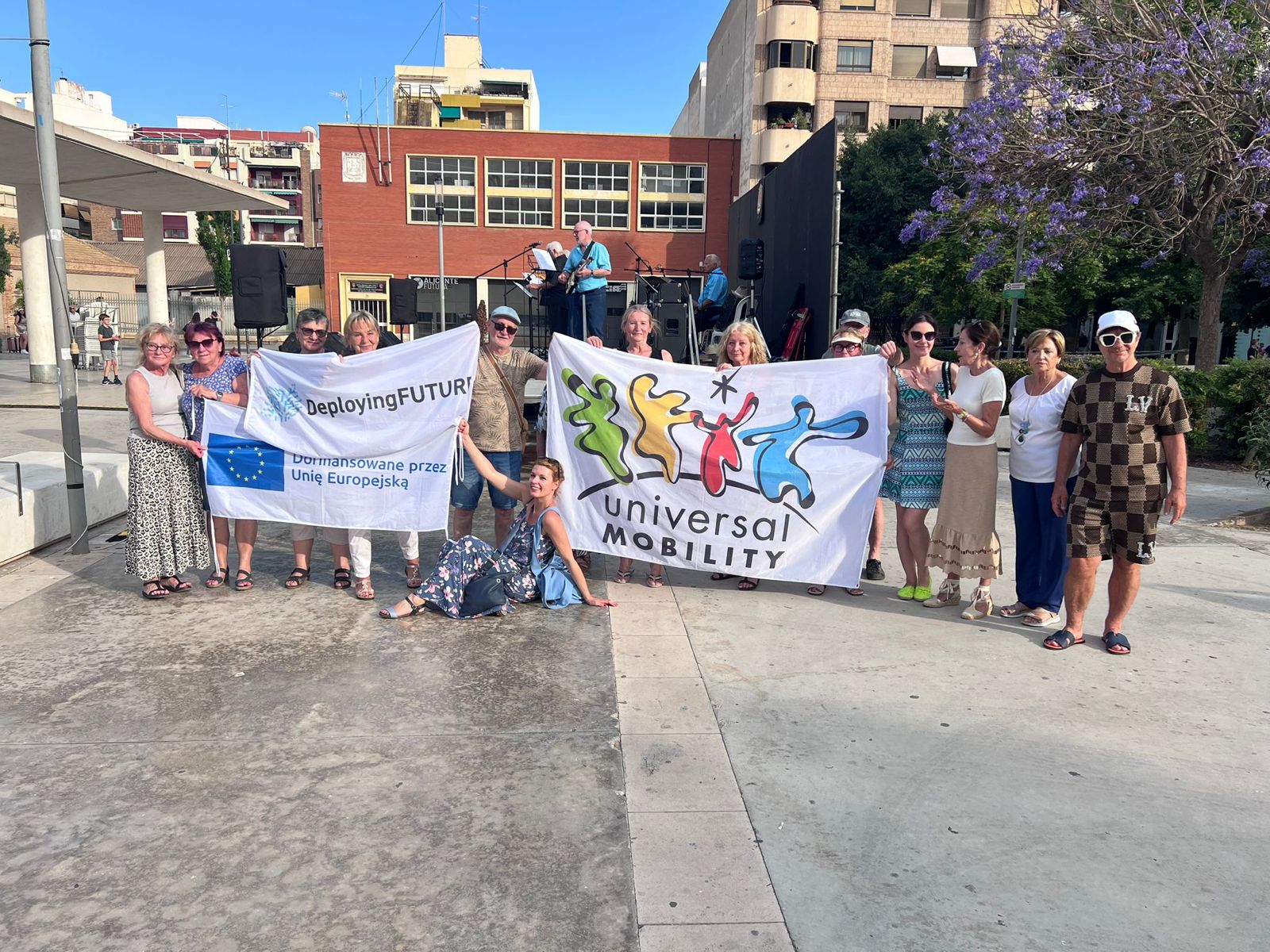
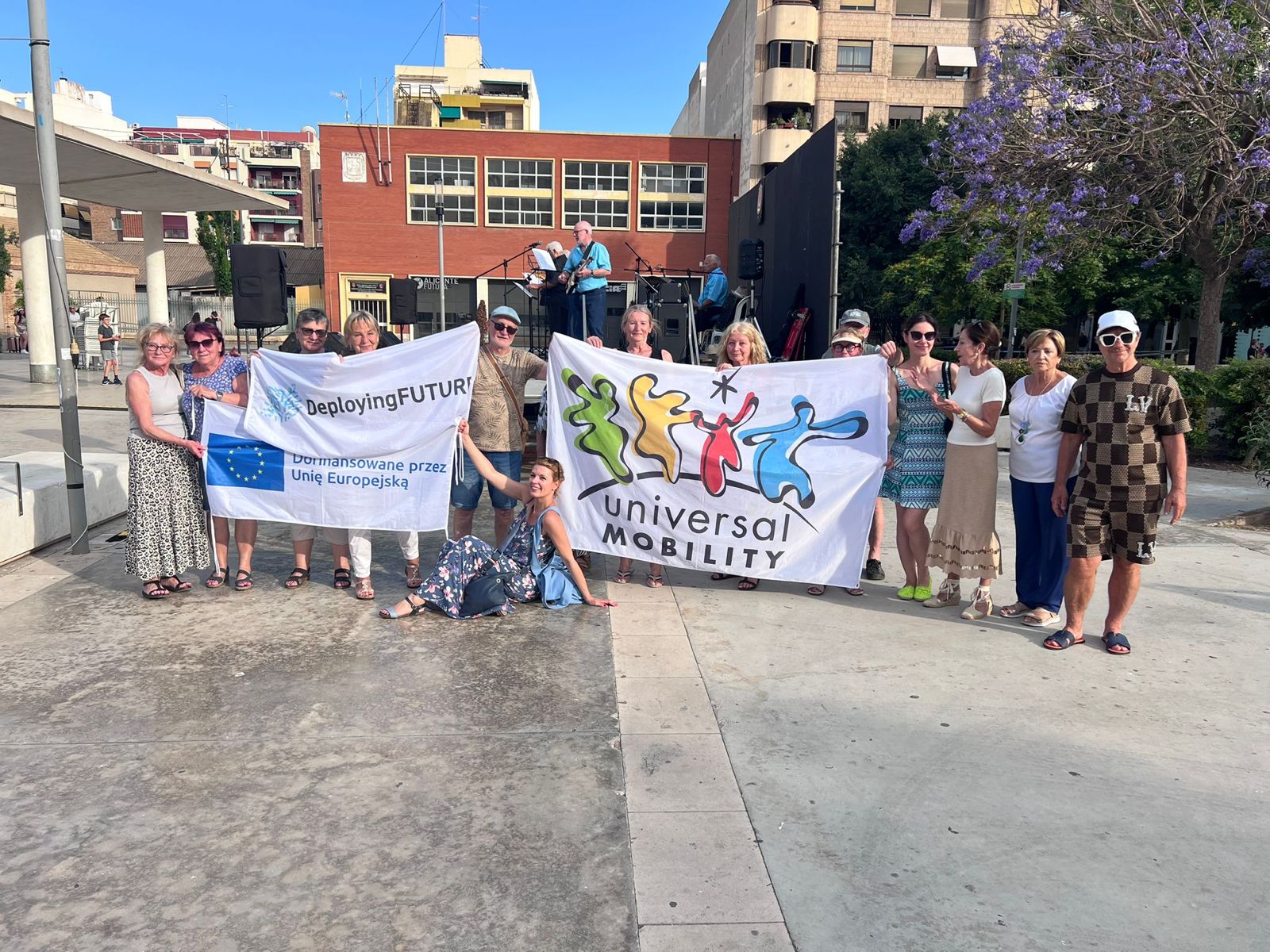
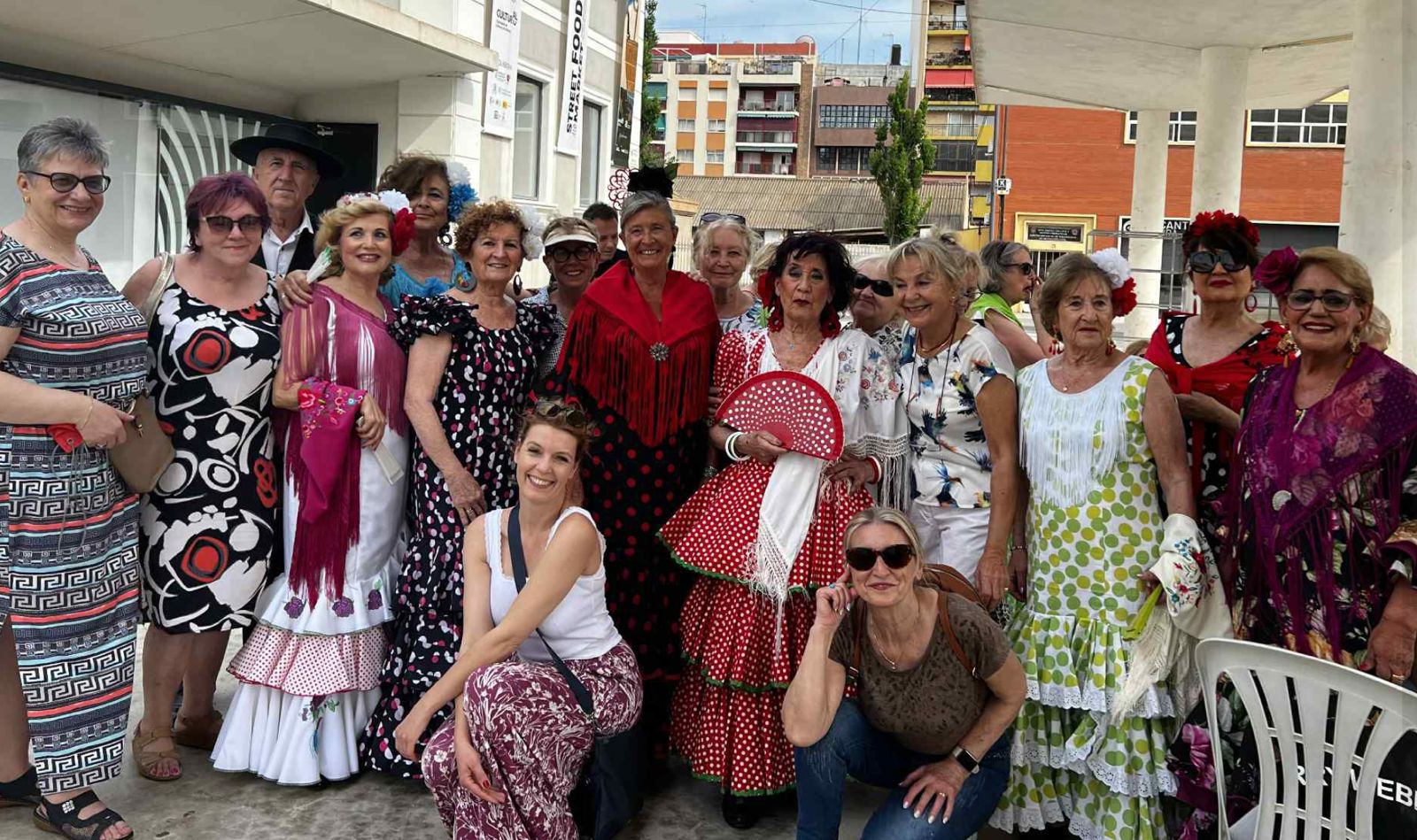
Partners implemented the project with the aim of creating real, tangible change in the lives of older adults included in the initiative. A key element was the transnational educational mobility, which took place from 5 to 10 June 2025 in Alicante. This event created meaningful opportunities for participation among individuals with fewer chances. A total of 20 people took part – 10 older adults from Poland and 10 from Spain. All participants had previously been involved in a series of local workshops organized by the project's partner organizations, and the mobility itself was designed to pilot an educational offer tailored to seniors experiencing emotional crises, loneliness, low mood, or other mental health and social well-being challenges typical in late adulthood.
The participants were selected according to criteria clearly defined in the project proposal – they were all aged 60+, had experienced social isolation or emotional problems, and were in need of support to improve their psychological and physical well-being. For most of them, the mobility was their first opportunity to take part in a transnational educational experience and proved to be a transformative one. It not only enhanced their knowledge and skills but also helped them feel seen and valued despite everyday limitations.
The mobility program was based on the content of the educational manual developed within the project and served as a practical continuation of topics such as psychological resilience, mindfulness, emotional well-being, physical activity, healthy eating, building relationships, and combating loneliness. Each day of the mobility combined educational, integrative, therapeutic, and reflective elements, with a strong emphasis on the exchange of experiences, building relationships and a sense of community, as well as creating a safe and accepting space.
The first day began with a formal opening, where the project team presented the objectives and framework of the mobility. Facilitators from both partner organizations introduced the participants to the agenda and group work principles. Emphasis was placed on openness, respect for diversity, and the willingness to cooperate across linguistic and cultural differences. The group took part in a variety of integration activities – from light movement games and getting-to-know-you exercises to workshops fostering trust and shared responsibility. Working in multilingual pairs and small groups, with the support of interpreters, helped break initial barriers and encouraged open interpersonal contact. Later that day, a session on resilience introduced the concept of mental strength in older adulthood. Participants reflected on their personal coping strategies during difficult times, sharing stories of loss, loneliness, and rebuilding – which created a space for mutual reflection and support. The day ended with an evening reflection session and a surprise performance of a traditional Valencian dance prepared by the Spanish participants.
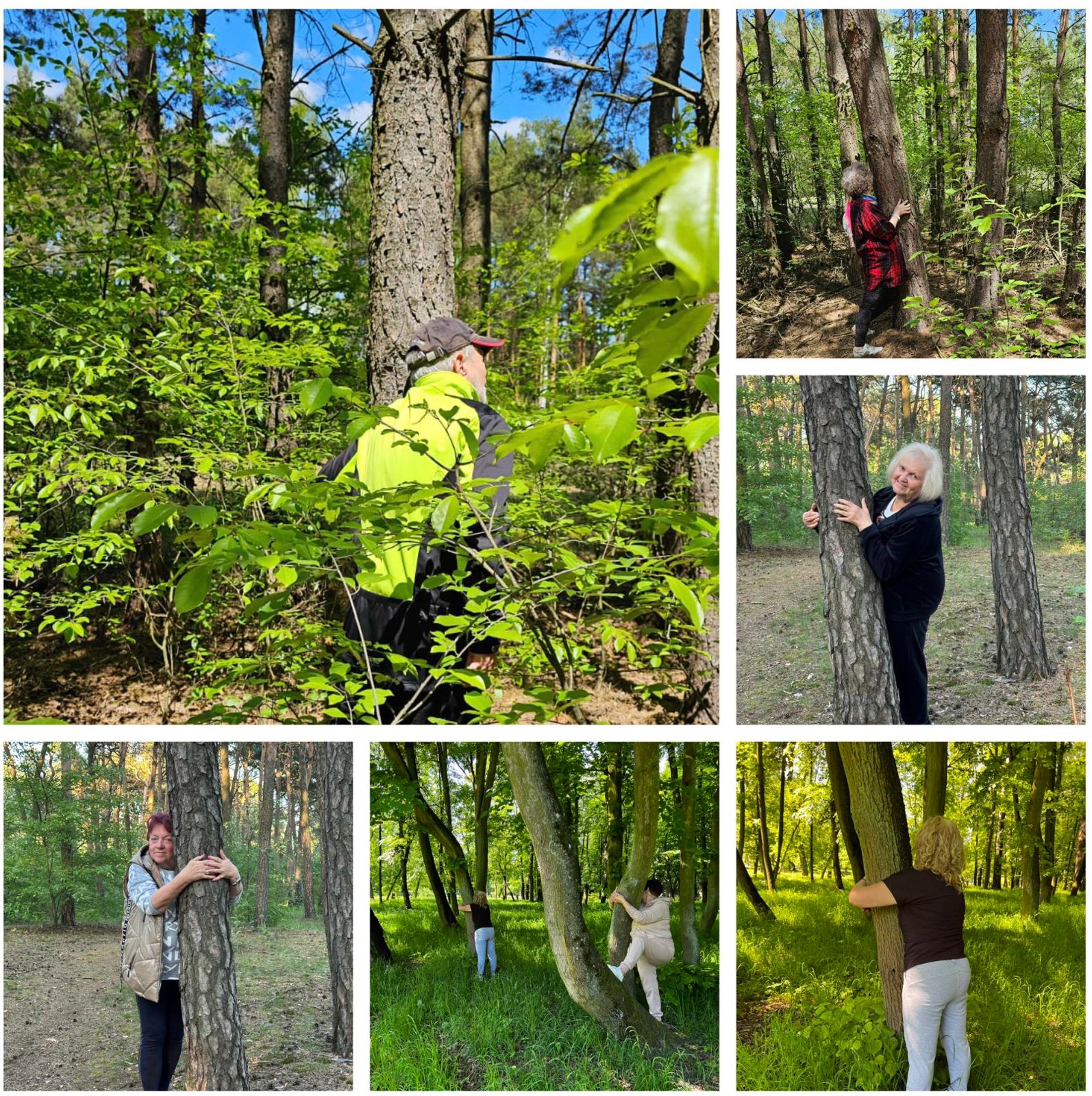
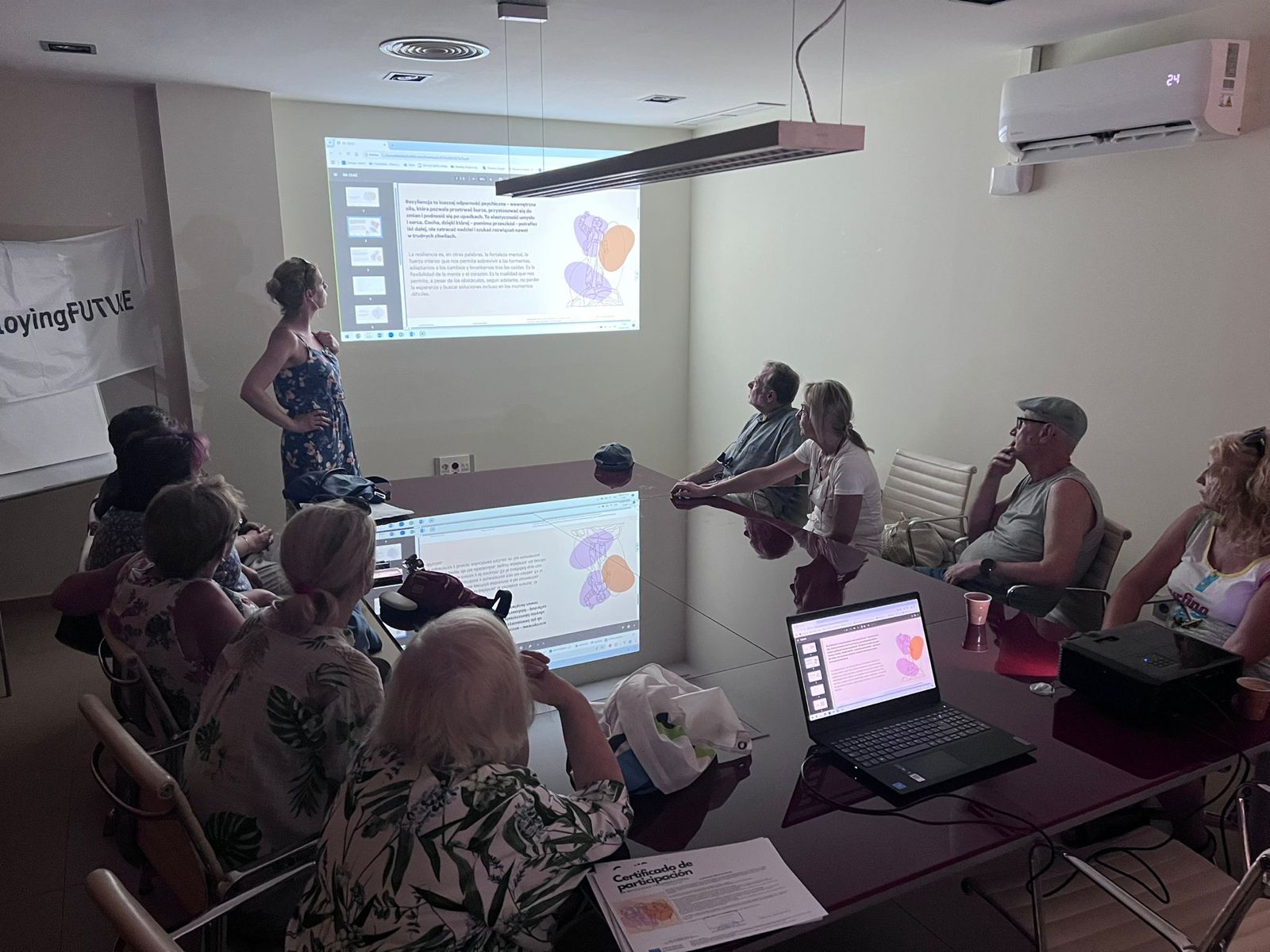
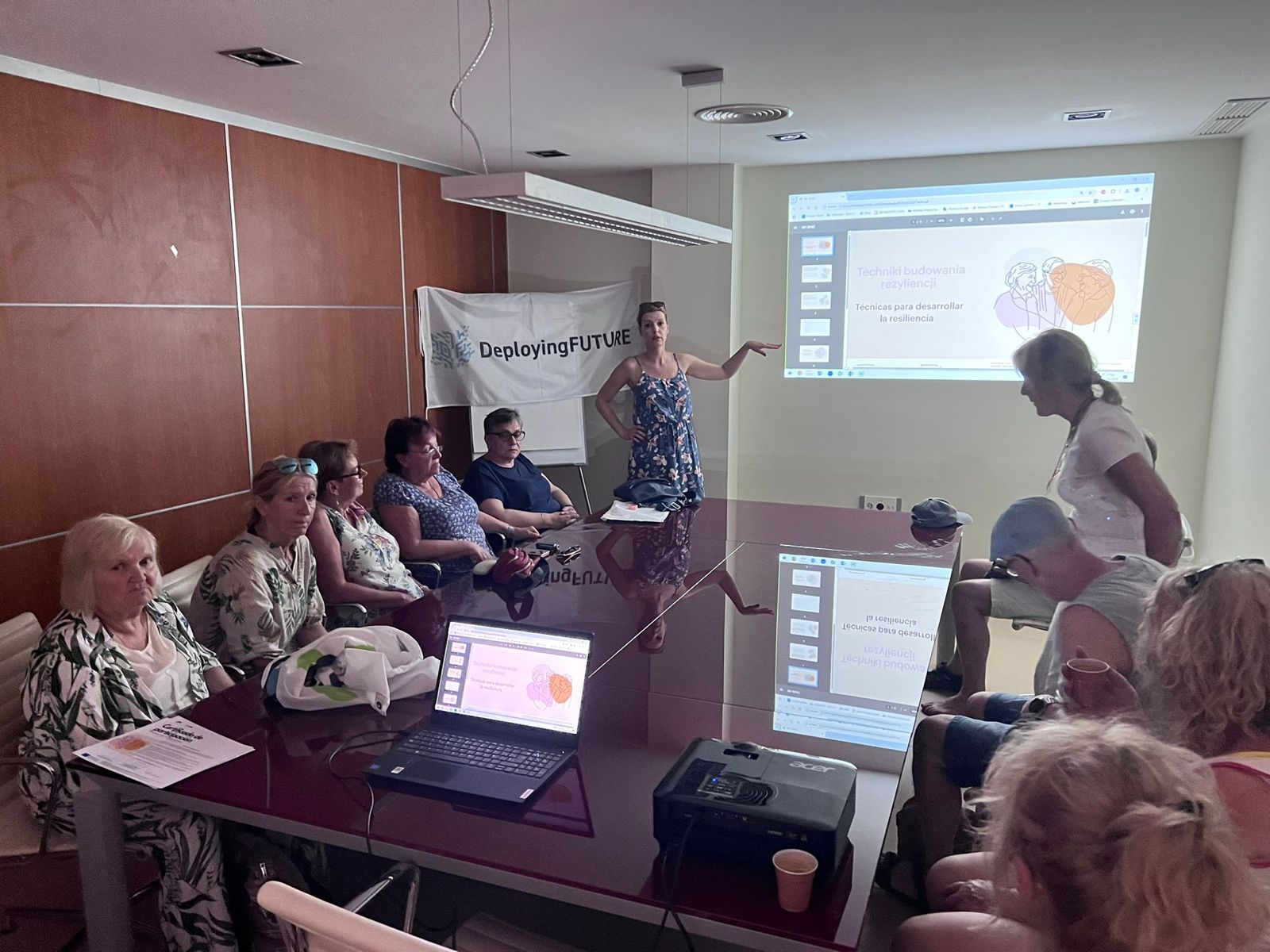
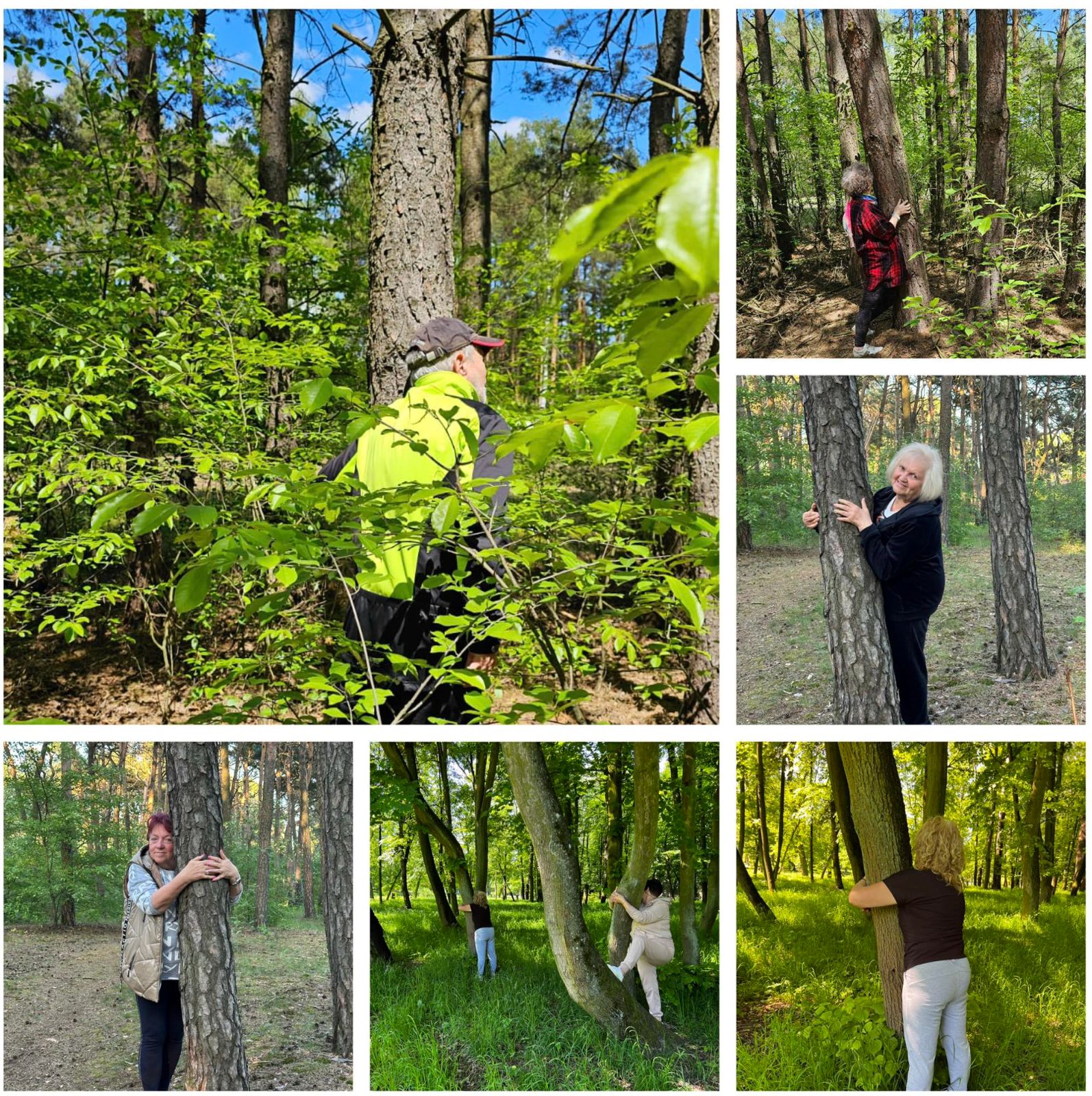
The second day focused on practical strategies for building resilience and developing mindfulness. A morning workshop on resilience techniques encouraged seniors to reflect on what helps them regain balance in everyday life. Common themes included contact with nature, talking to peers, small daily rituals, and spiritual practices. Participants discovered that resilience does not mean being strong at all costs, but rather flexible and able to return to a state of inner stability. A guided mindfulness session followed, with breathing exercises, sensory awareness, and simple meditation practices adapted to the group's abilities. A subsequent workshop explored integrating mindfulness into daily life, and ended with a paired exercise in mindful listening. In the afternoon, the group visited a local senior center in Elche for a gentle yoga session led by a Spanish instructor with interpreter support. The day concluded with a reflection circle in mixed-language groups, where participants shared insights and answered reflective questions. A final highlight was a cultural presentation by the Polish group, featuring curiosities about their country.
On the third day, the focus shifted to cultural learning, humor, movement, and cooking – all as tools for building human connection. The morning began with a workshop on cultural diversity, in which participants reflected on values, family traditions, and everyday routines. Despite cultural differences, they found shared experiences of exclusion, loneliness, and the fear of losing relevance. A city game followed, encouraging mobility, local interaction, and problem-solving in multicultural teams. Many seniors faced personal challenges, and several commented that it had been a long time since they laughed so much. The afternoon featured a culinary workshop – making Spanish tortillas and Polish dumplings. This activity sparked conversations about family memories and offered a chance for participants to share something meaningful with the group. The day concluded with a communal meal and a discussion on how food, when shared, can nourish both body and soul – and counteract the emotional toll of eating alone.
The fourth day was dedicated to emotional health and the creation of supportive personal and community resources. The morning began with a workshop on managing emotions, during which participants talked about their fears, frustrations, and needs. Using visual cards and group discussion, they identified personal strategies for coping, such as walking, prayer, journaling, and gardening. A music therapy session followed, inviting participants to relax deeply and connect with inner calm. Later, an art therapy activity encouraged them to create a "map of the inner landscape" – a visual metaphor for their emotional world. This silent, introspective session allowed participants to express feelings that are often difficult to verbalize. The afternoon focused on building support networks. Participants received printed resources with local and national helplines and support groups. Each person then developed a "Personal Support Plan" that included trusted contacts, soothing activities, safe spaces, and daily self-care intentions. The day ended with a calm reflection session and a powerful moment of shared insight. One participant expressed it best: "I didn't know that at seventy-something, I could still learn something new about myself – and have the strength to do so."
The fifth day continued the theme of well-being, this time emphasizing the connection between physical and mental health. A session with a senior-focused nutritionist explained the impact of diet on mood and cognition, highlighting simple ways to eat mindfully on a budget. Participants received a "Well-Being Food Journal" to track their meals and how they felt after eating – an exercise in bodily awareness. A workshop on physical activity followed, introducing movement as a tool for emotional regulation. Facilitated by a movement therapist, the session emphasized "intentional movement" – where each gesture was connected to breath and self-compassion. Participants were joyful and surprised by how empowering the session felt. An afternoon psychology session helped them explore their inner dialogue, encouraging kindness toward oneself. They practiced writing affirmations such as "I did enough today, and that's okay" or "Even if I feel alone, I am not truly alone." The day concluded with a group circle, where participants shared reflections and small but meaningful discoveries about their bodies and minds. One participant said, "I used to think my body betrayed me, but today I felt it might still be on my side – I just need to listen."
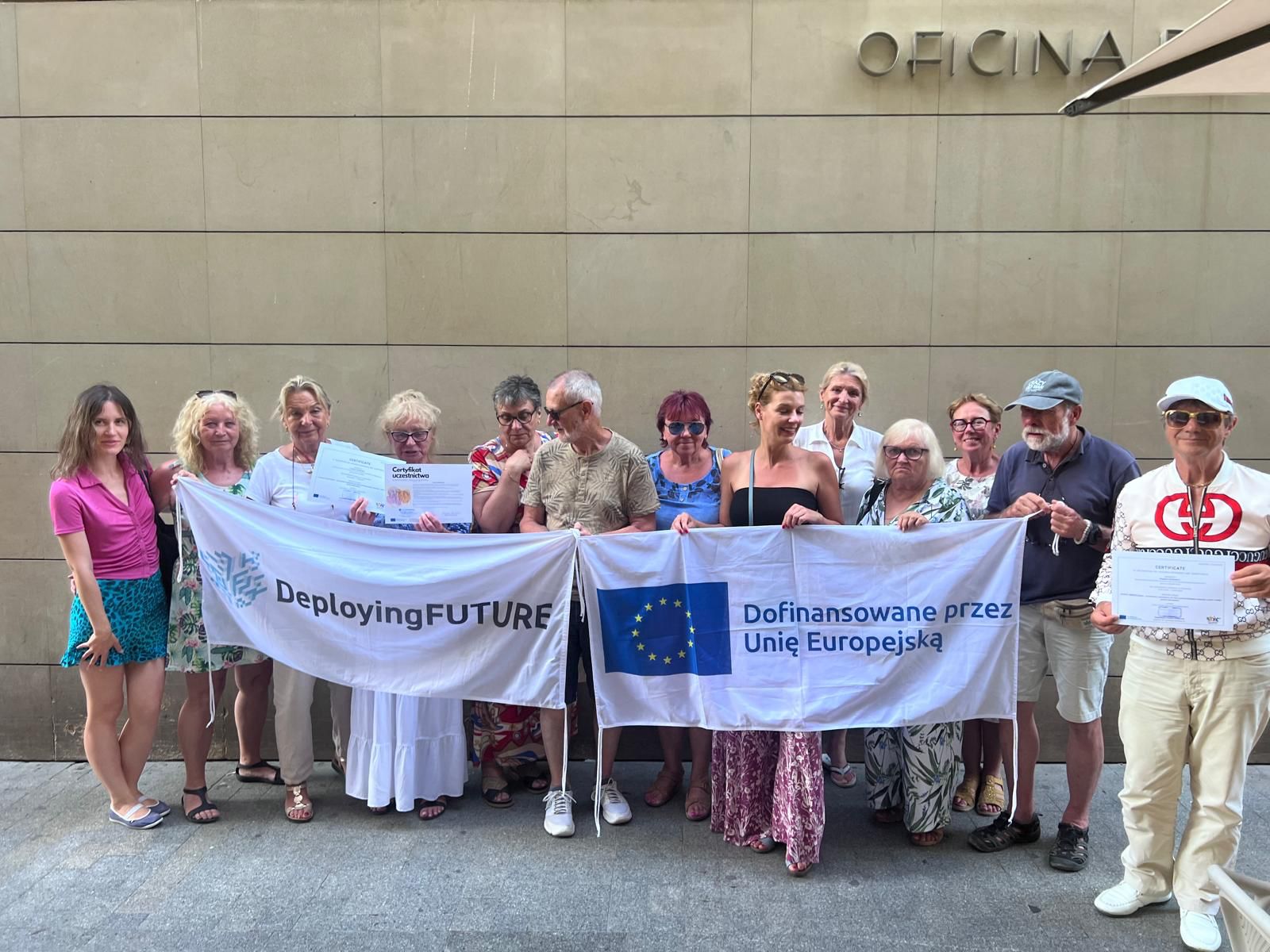
The final day of the mobility focused on integration and closure. In the morning, participants completed an exercise inspired by the educational manual, creating a "Warning Signs Map" – identifying early symptoms of low mood or withdrawal, along with helpful strategies. Then, they developed their own "Mental and Physical Support Plan," outlining one emotional goal, one physical habit, one support contact, and one self-affirming phrase. These plans were shared digitally or kept on paper as personal reminders. In a closing circle, participants selected quotes from earlier sessions – spontaneous words of insight or comfort – and placed them in envelopes to take home as keepsakes. Some of the messages included: "I don't need to pretend I'm okay – I can just be," or "When I breathe calmly, I come back to myself." The day ended with a short formal moment: distribution of certificates, shared gratitude, and the sense that this journey – while ending – had truly changed lives.
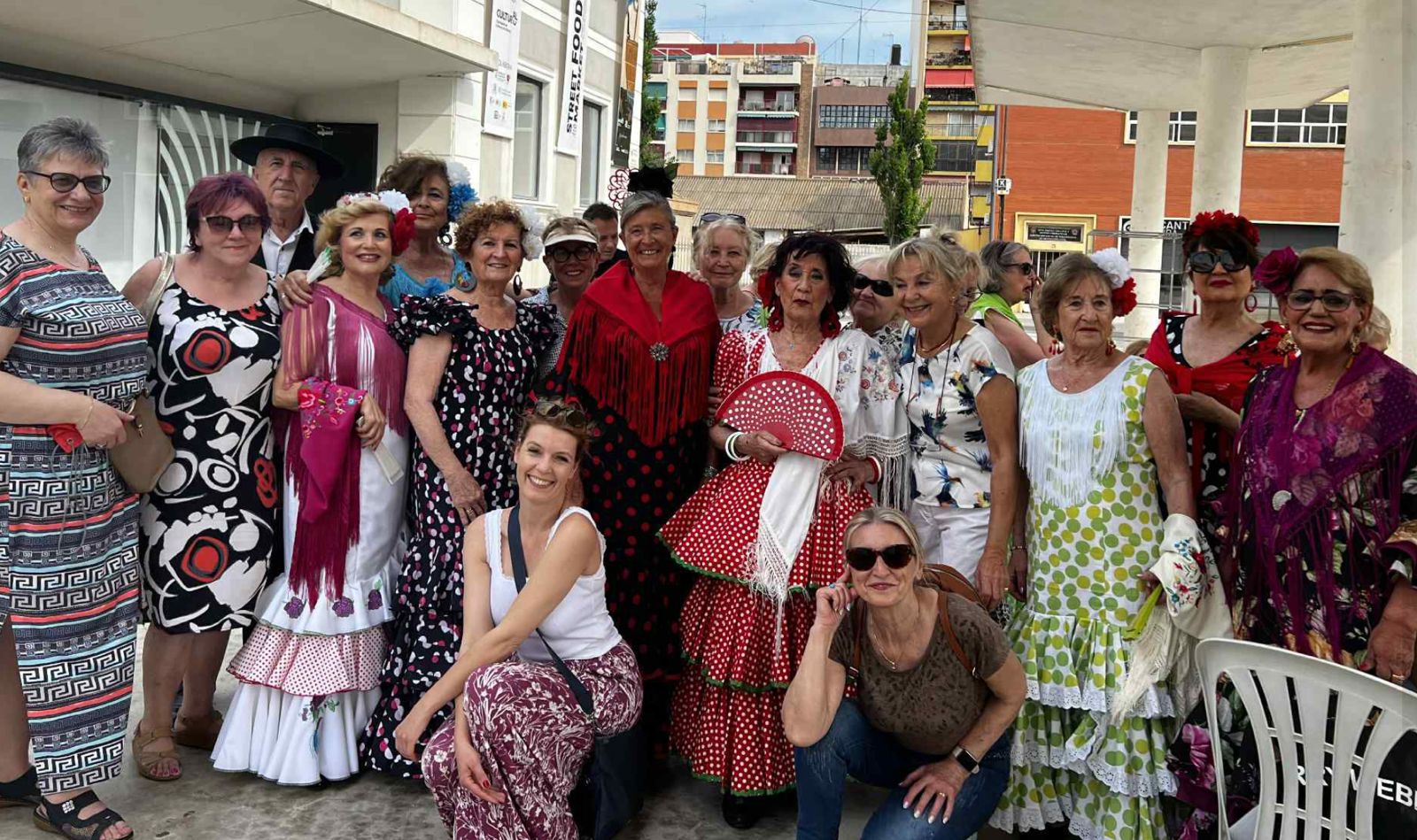
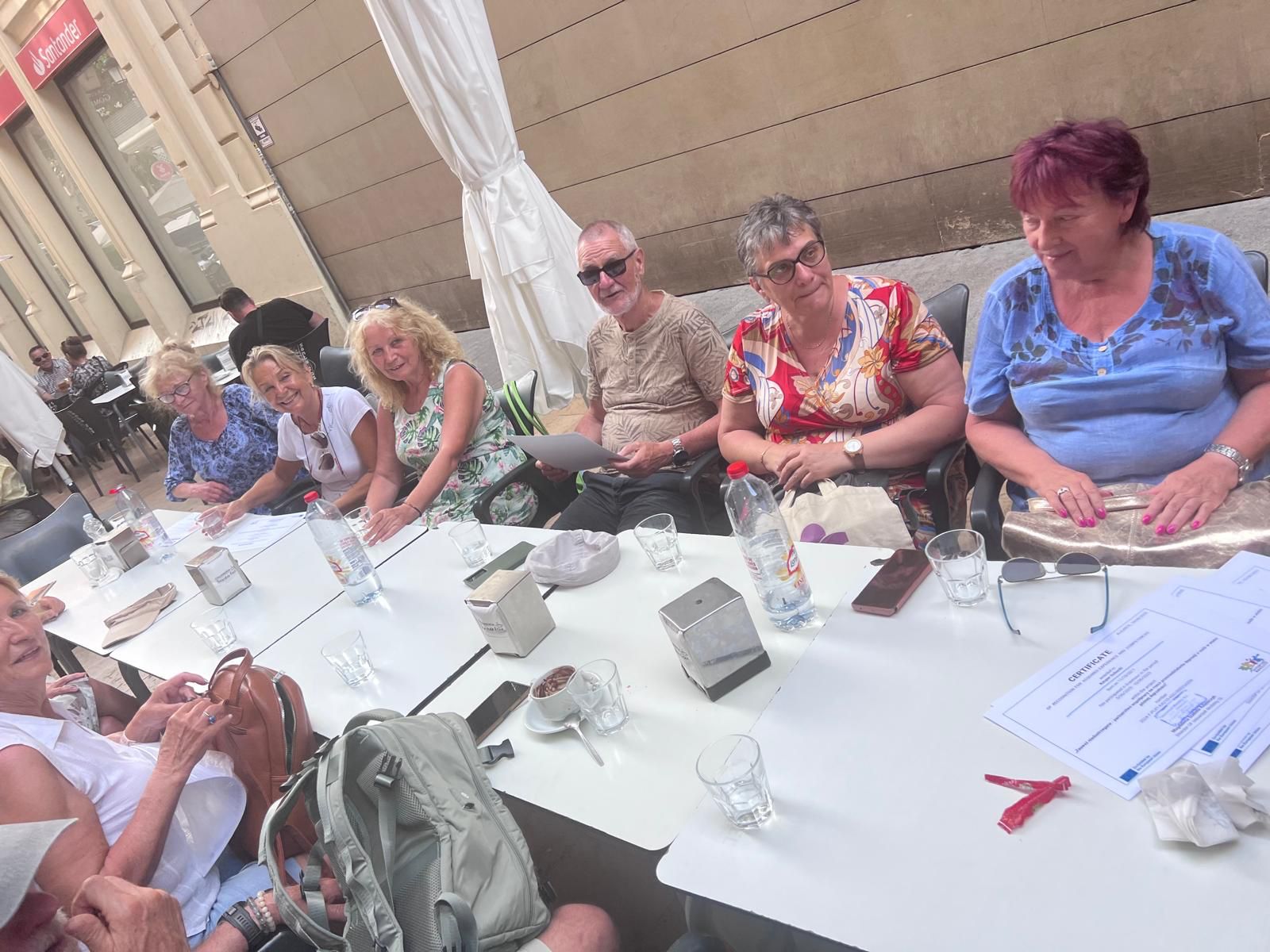
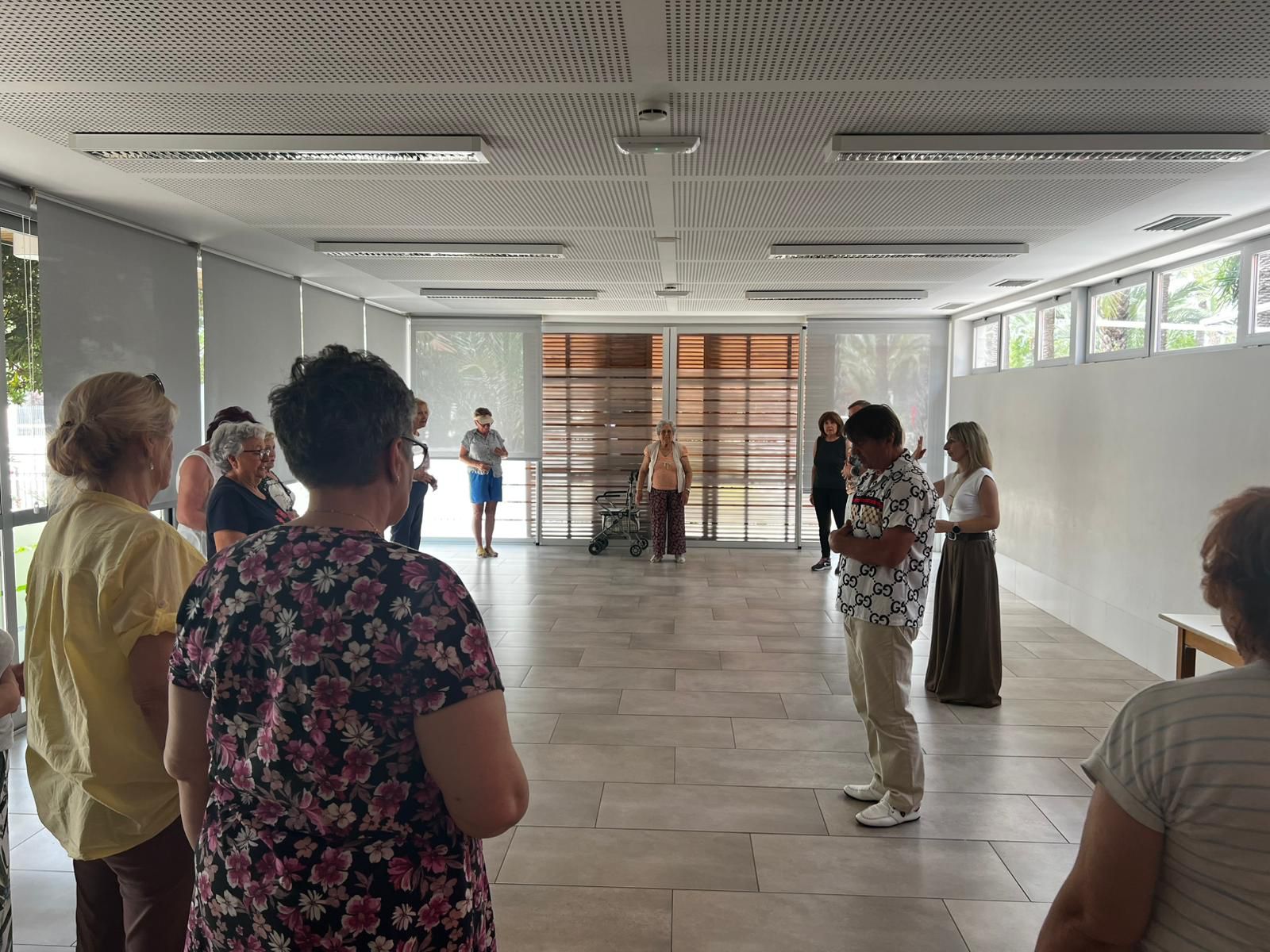
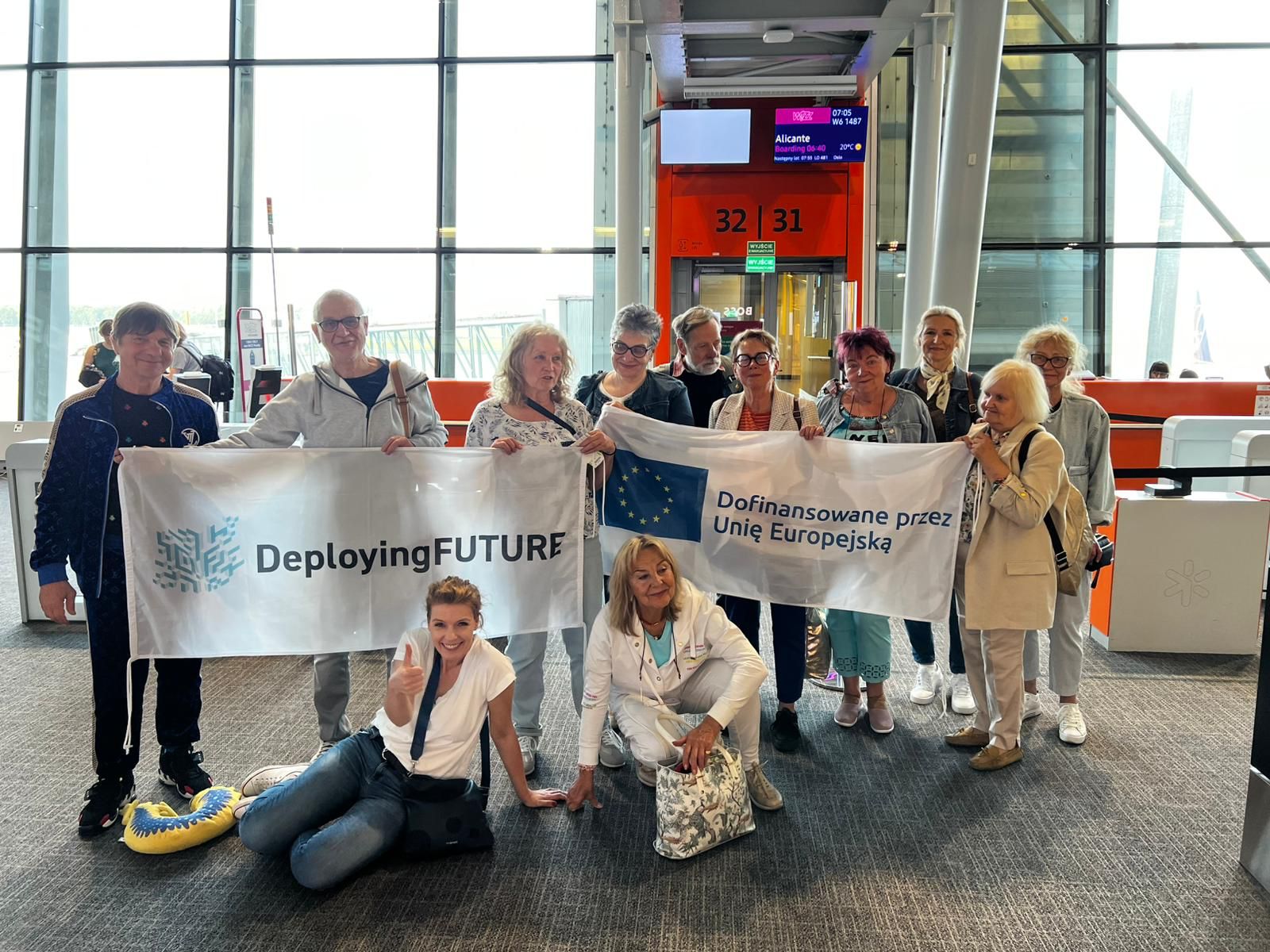
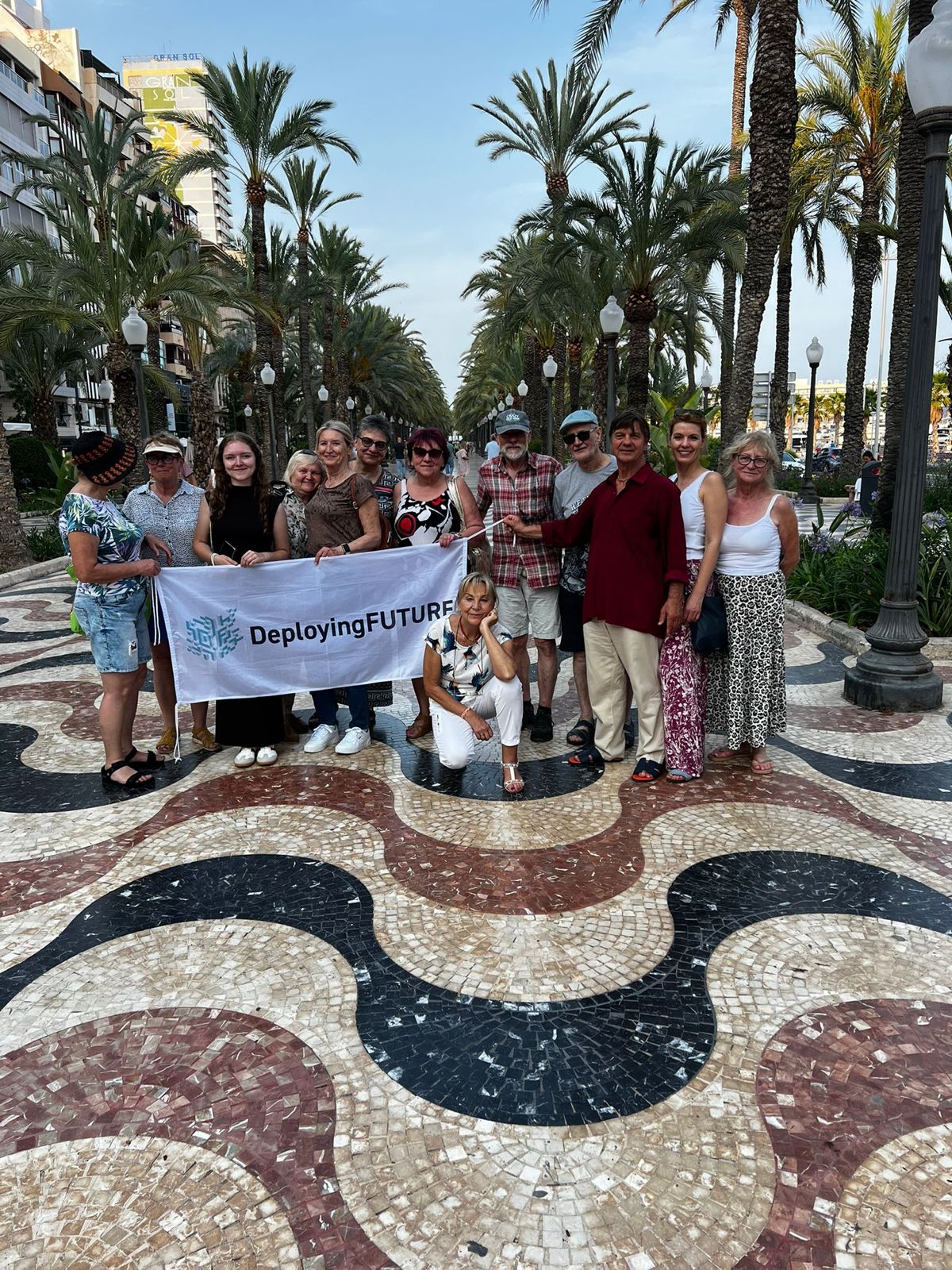
A couple of photos showing the activities during our project.